
 Podcast

Shiva K Dhakal
National Press Corporation(NPC)
United Kingdom—The government has announced that asylum seekers will no longer be allowed to use taxis for routine medical appointments from February, following a review triggered by concerns over rising transport costs.
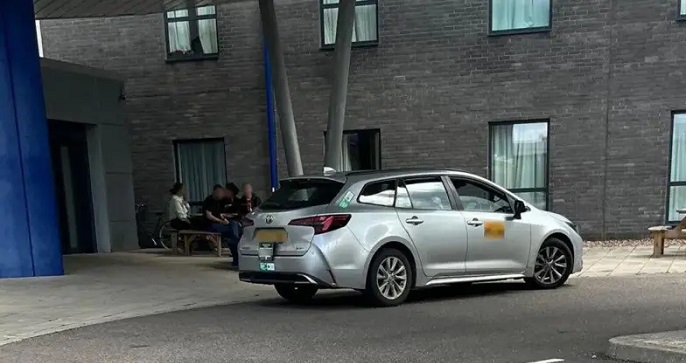
The decision comes after a BBC investigation revealed instances of asylum seekers travelling long distances by taxi, including a 250-mile round trip to see a GP — a journey that cost the Home Office £600. A separate subcontractor told the BBC his firm made up to 15 short-distance medical drop-offs per day from a single hotel in south-east London, costing around £1,000 daily.
Home Secretary Shabana Mahmood said the new restrictions were necessary to cut “unacceptable levels of waste” within the asylum system. While taxis will only be authorised in “the most exceptional circumstances,” exemptions will remain for individuals with physical disabilities, chronic medical conditions, or pregnancy-related needs. These will require Home Office approval.
Government figures show an average annual spend of £15.8m on transport for asylum seekers. Until now, many accommodated in hotels were issued weekly bus passes but relied on taxis for additional essential travel, including healthcare appointments.
Ministers say asylum seekers should use public transport wherever possible, and they are also reviewing the broader use of taxis for other activities, such as transfers between accommodations. The government has pledged to close all asylum hotels before the next general election and expand the use of alternative sites, including former military facilities.
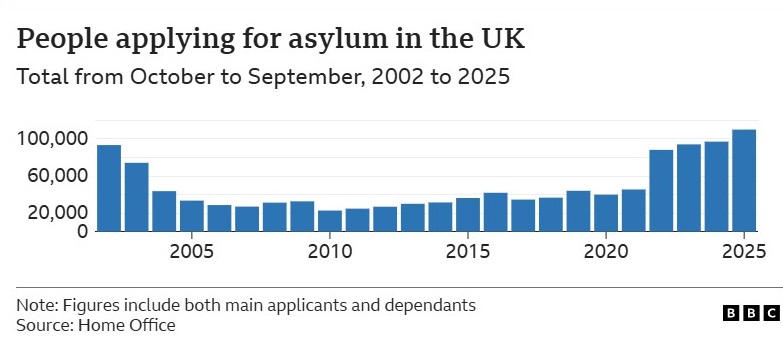
However, the latest data shows 36,273 asylum seekers are still living in hotels — a rise since June — raising questions about the feasibility of the government’s timeline. Meanwhile, the cost of running asylum accommodation has continued to increase sharply since long-standing contracts were signed.
The Home Office says it has recovered £74m since the government took office, though MPs have warned this represents only a fraction of escalating expenses.
Shadow Home Secretary Chris Philp accused ministers of lacking a credible strategy on illegal migration, saying Labour’s “failure to take tough decisions” — including deporting illegal arrivals and withdrawing from the European Convention on Human Rights — had allowed costs to surge.
The government is also pushing forward with sweeping reforms to asylum policy, including making refugee status temporary and ending guaranteed housing support for successful applicants.
Pic: bbc.com











 Edinburgh,UK
 info@uknepalpress.com
Discussion about this post