
 Podcast

Shiva K Dhakal
National Press Corporation(NPC)
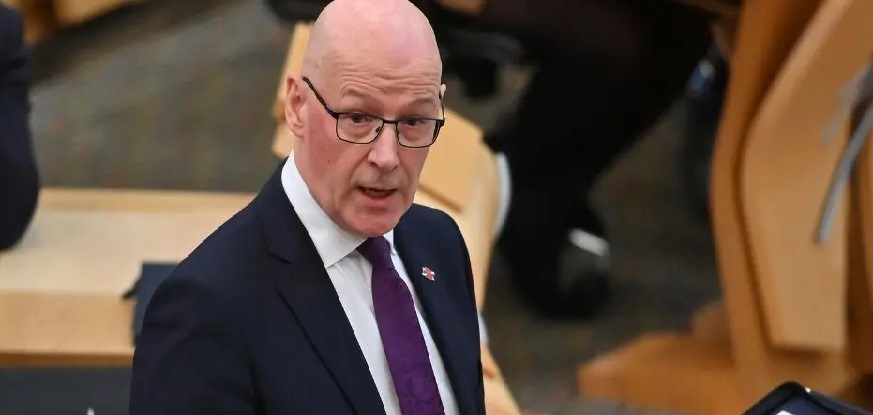
United Kingdom—First Minister John Swinney has refused to rule out raising taxes in next year’s Scottish Budget, amid warnings that Scotland could face a £1bn funding shortfall.
The potential gap stems from speculation that UK Chancellor Rachel Reeves may increase income tax rates in England, Wales and Northern Ireland — a move that would automatically reduce Scotland’s block grant from the Treasury.
Speaking at First Minister’s Questions, Swinney said he was waiting to see the “implications” of the UK government’s upcoming budget, due later this month.
Scottish Conservative leader Russell Findlay challenged Swinney to provide a “cast-iron guarantee” that income, business, and property taxes would not increase. The First Minister declined, saying that tax and spending plans would be revealed when the Scottish Budget is presented on 13 January.
Swinney defended his government’s devolved tax policies, saying Scotland’s “fairer, more progressive” system helped fund free university tuition, prescriptions, free bus travel for under-22s, and efforts to tackle child poverty.
“We will bring forward orderly budget provisions which will relate to the tax and spending commitments so that we can fund our public services and invest in the Scottish economy,” he said.
Findlay warned that any tax hike would be a “hammer blow to Scots,” arguing that people “deserve to keep more of their hard-earned cash.”
Under Scotland’s current system, people earning below about £30,300 pay slightly less income tax than elsewhere in the UK — saving up to £28 annually. But higher earners pay more: someone on £50,000 pays £1,528 extra compared to England, while a salary of £125,000 incurs £5,207 more.
Last week, Swinney told a conference hosted by IPPR Scotland that he would maintain existing tax rates until the end of the parliamentary term in May next year. However, speculation about possible increases has grown since Chancellor Reeves declined to rule out tax rises south of the border, insisting she would do what was “necessary” to protect public finances.
According to the Fraser of Allander Institute, a two-percentage-point rise in the UK’s basic rate of income tax could reduce Scotland’s block grant by around £1bn per year over the next three financial years.
Despite this, Swinney has repeatedly urged the UK government to raise income tax, arguing that additional revenues could help avoid severe public spending cuts.
As the Scottish government prepares its January budget, the balance between protecting public services and avoiding higher taxes looks set to dominate political debate in the months ahead.










 Edinburgh,UK
 info@uknepalpress.com
Discussion about this post