
 Podcast

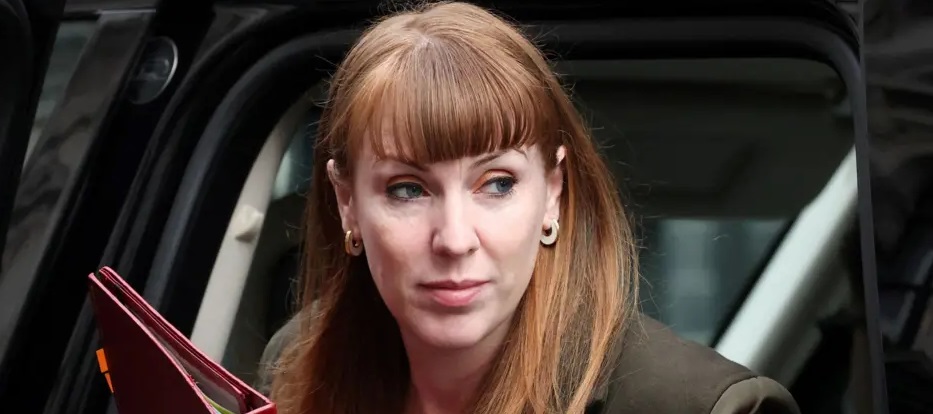
The government did not carry out its own financial analysis of England’s largest reorganisation of councils in decades, the BBC has learned.
Deputy Prime Minister Angela Rayner has argued that merging councils in 21 areas into single authorities could save “a significant amount of money”. Her department, the Ministry of Local Government, based its estimates on a 2020 study by the County Councils Network (CCN), which claimed potential savings of £2.9bn over five years.
But the CCN has since revised its calculations. Its latest analysis suggests the shake-up may generate no savings at all, and in some scenarios could even result in net costs.
Outdated figures
The 2020 figures, produced with the accountancy firm PwC, assumed that replacing all two-tier councils with single authorities would deliver efficiencies. But an updated CCN review this year suggested reorganisation could cost as much as £850m over five years if 58 new councils – each with a population of at least 300,000 – were created.
Under such a model, the group said, “no long-term efficiency savings would be delivered”, making it more cost-effective to retain the existing two-tier system.
Tim Oliver, CCN chairman, said structural reform “could unlock billions in efficiency savings to be reinvested in frontline services – if delivered at the right scale.” But he warned that smaller unitary authorities could drive “unsustainable costs” for local taxpayers.
Local tensions
The debate has exposed tensions within local government. Several county councils have submitted proposals for new authorities, with some pushing for multiple smaller unitaries. Essex County Council, for example, has suggested creating three new authorities.
The District Councils’ Network (DCN), which represents smaller councils, accused ministers of acting without evidence. “It is astonishing the government has undertaken no independent analysis before embarking on the biggest reorganisation of councils for 50 years,” said DCN chair Sam Chapman-Allen.
He warned that “mega councils”, covering populations of more than 500,000, risk being imposed without a proper evidence base – despite financial problems already faced by many large authorities.
Government response
A government spokesperson insisted the reforms would “improve services and save taxpayers’ money,” adding that bringing services under one roof would provide residents with “joined-up support” and clearer accountability.
Rayner has told MPs the restructuring will deliver better outcomes and allow resources to be reinvested in public services. Ministers argue that commissioning fresh in-house research would be unnecessary and costly.
The final decision on which merger proposals to pursue is expected next year.
Sources: bbc.com, cnn.com, reuter.com and other sources













 Edinburgh,UK
 info@uknepalpress.com
Discussion about this post