
 Podcast

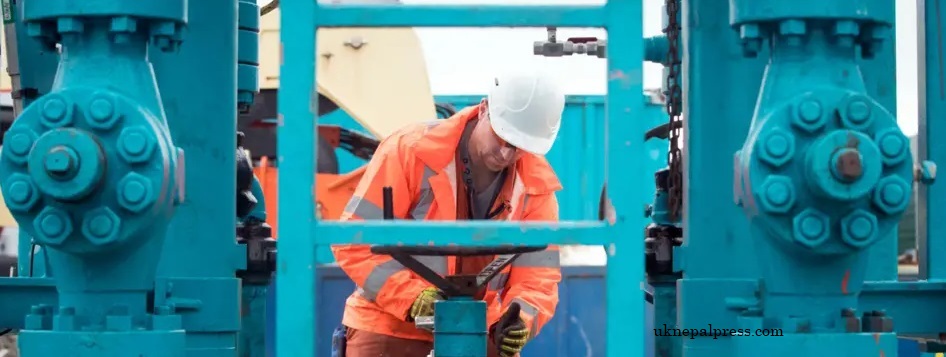
London, UK — Reform UK is urging energy companies to prepare for a return to fracking, despite more than a decade of failed attempts, bans, and strong public opposition.
Fracking — short for hydraulic fracturing — has long been politically fraught in Britain. Successive prime ministers since 2011 have banned the controversial practice over concerns about earthquakes, environmental damage, and fierce community protests. Yet Reform UK, buoyed by strong showings in national opinion polls, insists the potential prize of shale gas is too valuable to ignore.
“We’ve got potentially hundreds of billions of energy treasure in the form of shale gas,” says Richard Tice, the party’s deputy leader and energy spokesperson. “It’s grossly financially negligent to a criminal degree to leave that value underground and not to extract it.”
Tice and party leader Nigel Farage have been courting oil and gas executives, encouraging them to prepare applications for licences should Reform take power after the next election. Their message is clear: “Drill, baby, drill.”
A history of setbacks
Attempts to harness shale gas in Britain have repeatedly run aground. Former Prime Minister David Cameron once promised a “shale gas revolution”, but progress stalled amid planning delays, legal challenges, seismic tremors and protests. In 2019, a series of minor earthquakes at a Lancashire site led to another ban on fracking.
Liz Truss briefly revived the practice in 2022, only to face a rebellion from her own Conservative MPs. Her successor, Rishi Sunak, swiftly reinstated the moratorium. Labour, now in government, has pledged to outlaw fracking permanently as part of its clean energy push.
Charles Hendry, the former Conservative energy minister who once backed shale gas, now doubts it will ever succeed. “It is much more difficult than it is in the US,” he says. “It’s more expensive, more polluting, more disruptive.”
Reform’s gamble
Reform UK’s plan is to lift the fracking ban immediately and allow independently monitored test wells. These, the party argues, would confirm whether commercial quantities of shale gas exist and demonstrate safety to the public.
The British Geological Survey has identified areas in Lancashire and the Midlands with potential deposits, but its research has consistently warned that UK geology makes extraction far more challenging than in North America.
Despite this, energy firms remain intrigued. Deloitte analysis — cited by operator Egdon Resources — suggests gas in Lincolnshire’s Gainsborough Trough could be worth £140bn and create 250,000 jobs, though the figures remain unpublished.
Other firms, including Star Energy Group, have also expressed interest, saying shale gas could complement wind, solar, and geothermal power in the UK’s energy mix.
Political reality
Energy experts warn the economics are shaky. Michael Bradshaw, professor of global energy at Warwick Business School, says British shale is unlikely to compete with cheaper imports from Norway or elsewhere. “The industry made no progress last time,” he adds, “and the geology suggests it will be costly.”
Labour, meanwhile, is doubling down on renewables. Energy Minister Miatta Fahnbulleh says the government intends to make Britain a “clean energy superpower” by banning fracking permanently and achieving 100% clean electricity by 2030.
“The biggest risk to our energy security is staying dependent on fossil fuel markets,” she says.
Fossil fuels will still play a role in Britain’s energy system for years to come. But with global momentum shifting toward renewables, Reform UK’s call for a fracking revival may place it at odds with the wider international trend.
















 Edinburgh,UK
 info@uknepalpress.com
Discussion about this post