
 Podcast


National Press Corporation (NPC)
United Kingdom
LONDON — The United Kingdom’s latest inflation figures are due to be released at 07:00 BST on Wednesday, with economists expecting annual inflation to rise above 3% in August, driven largely by higher fuel prices and renewed energy costs.
The Office for National Statistics (ONS) will publish the August Consumer Prices Index (CPI) one day before the Bank of England announces its latest interest rate decision. Inflation stood at 2.9% in July, its highest level in four months.
Why this matters
A rise above 3% would move inflation further away from the Bank of England’s 2% target, increasing pressure on policymakers as they balance persistent price growth against signs of a slowing economy.
Inflation measures how quickly the prices of goods and services increase over time. A lower inflation rate does not mean prices are falling—it means they are rising more slowly.
What’s driving inflation?
Economists expect August’s increase to be led by higher petrol and energy prices, which continue to feed through to transport, food distribution and other household costs. While fuel prices are the immediate trigger, sustained energy costs can spread across the wider economy as businesses pass higher operating expenses on to consumers.
The Bank of England has already warned that energy-related inflationary pressures are likely to remain elevated during the second half of 2026.
What happens next?
Wednesday’s CPI report is expected to play a central role in Thursday’s interest-rate announcement. A stronger-than-expected inflation reading could strengthen the case for keeping borrowing costs higher for longer, while weaker economic growth argues for caution.
For households, the outcome matters beyond financial markets. Inflation influences mortgage costs, savings returns, pensions, benefits and the purchasing power of everyday income.
The key question is no longer simply whether inflation rises above 3%, but whether price pressures are becoming more deeply embedded in the UK economy or remain primarily driven by energy costs—a distinction that will shape the Bank of England’s next policy move.
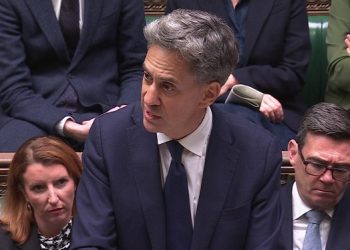
Picture : taken from BBC














 Edinburgh,UK
 info@uknepalpress.com
Discussion about this post